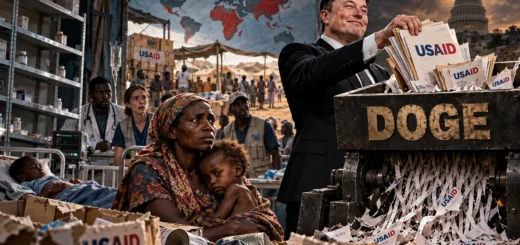
Elon Musk’s Trillion-Dollar Fortune: Feeding Millions or Funding Politics?
When you’re wealthy enough to tackle some of humanity’s greatest problems, but political influence apparently makes a more attractive investment.
Imagine possessing so much wealth that you could finance emergency food assistance for millions, build thousands of schools, bring clean drinking water to impoverished communities, and modernize crumbling American infrastructure.
Now imagine looking at those possibilities and deciding that what the world really needs is another few hundred million dollars in political advertising.
Welcome to the financial universe of Elon Musk.
A Trillion Dollars and a World Full of Problems
On October 5, 2026, Forbes estimated Musk’s fortune had once again reached approximately $1 trillion. That’s $1,000,000,000,000, a number so absurdly large that most people would struggle to spend it across several lifetimes.
Meanwhile, the United Nations World Food Programme estimates that 318 million people experienced acute hunger in 2025.
WFP needs approximately $13 billion in 2026 to reach 110 million vulnerable people. That’s around 1.3% of a trillion-dollar fortune.
THE SCALE OF THE CHOICE
| Musk’s estimated wealth, Oct. 5 | WFP’s 2026 funding need |
|---|---|
| $1 trillion | $13 billion |
| Forbes estimate | 110 million people targeted |
WFP’s entire stated 2026 funding requirement equals approximately 1.3% of that estimated fortune. This is a comparison of scale, not liquid cash available to spend.
Of course, Musk’s wealth largely consists of company shares, not a trillion dollars sitting in a checking account. Selling substantial holdings would involve taxes, market consequences, and practical constraints.
But the comparison demonstrates the extraordinary scale of resources concentrated in one individual.
Schools? Apparently Less Exciting Than Political Campaigns
According to UNESCO, approximately 272 million children and young people were out of school in 2025.
The organization estimates that low- and lower-middle-income countries face a $97 billion annual financing gap to achieve their education targets.
Imagine directing even a fraction of Musk’s fortune toward classrooms, teachers, electricity, internet access, and sanitation.
Or consider American communities struggling with aging water systems, inadequate public transportation, deteriorating roads, and underfunded schools.
Musk could help finance projects that provide decades of public benefit.
Instead, consider where some of his money actually goes.
Hundreds of Millions for Political Influence
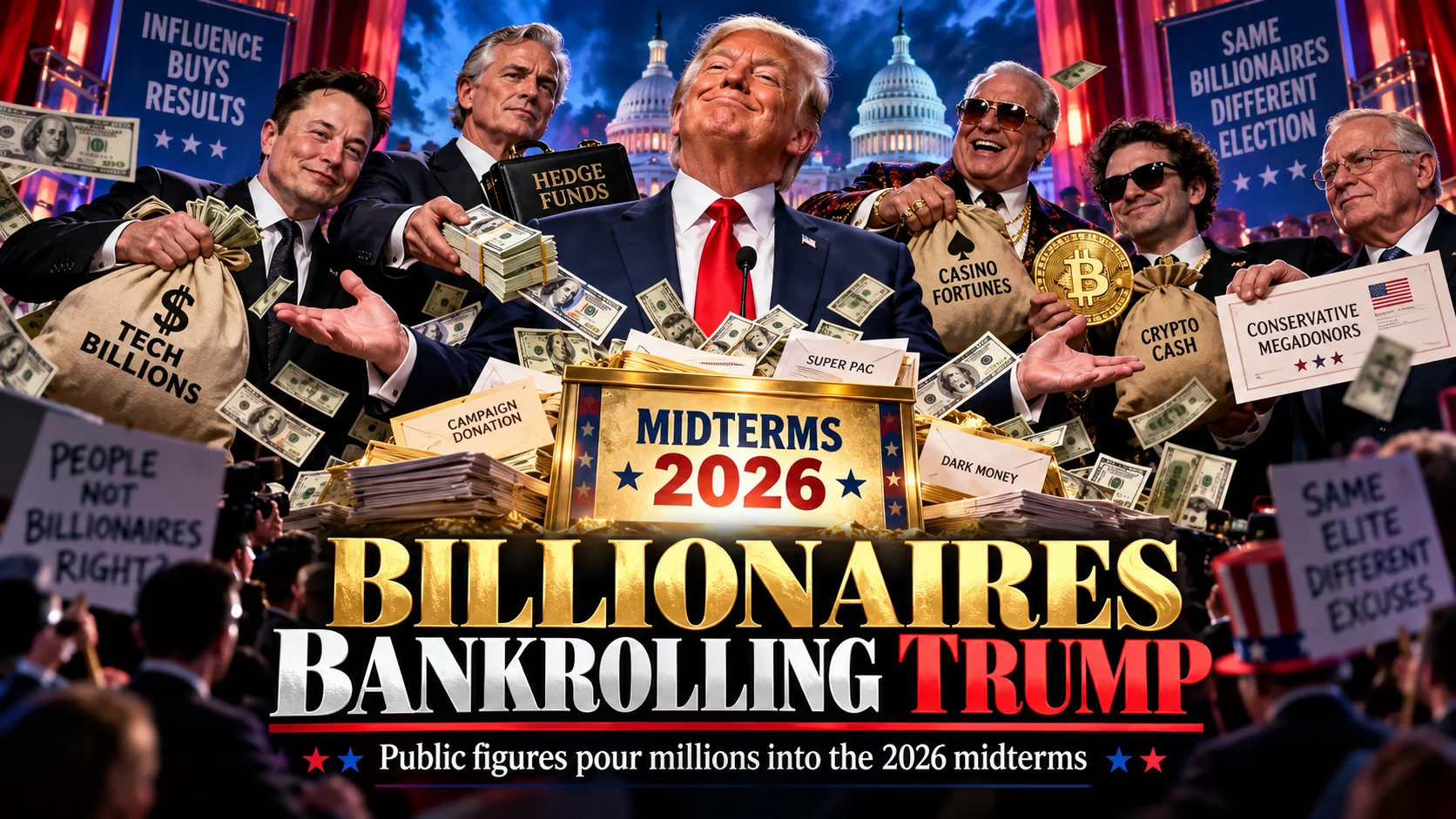
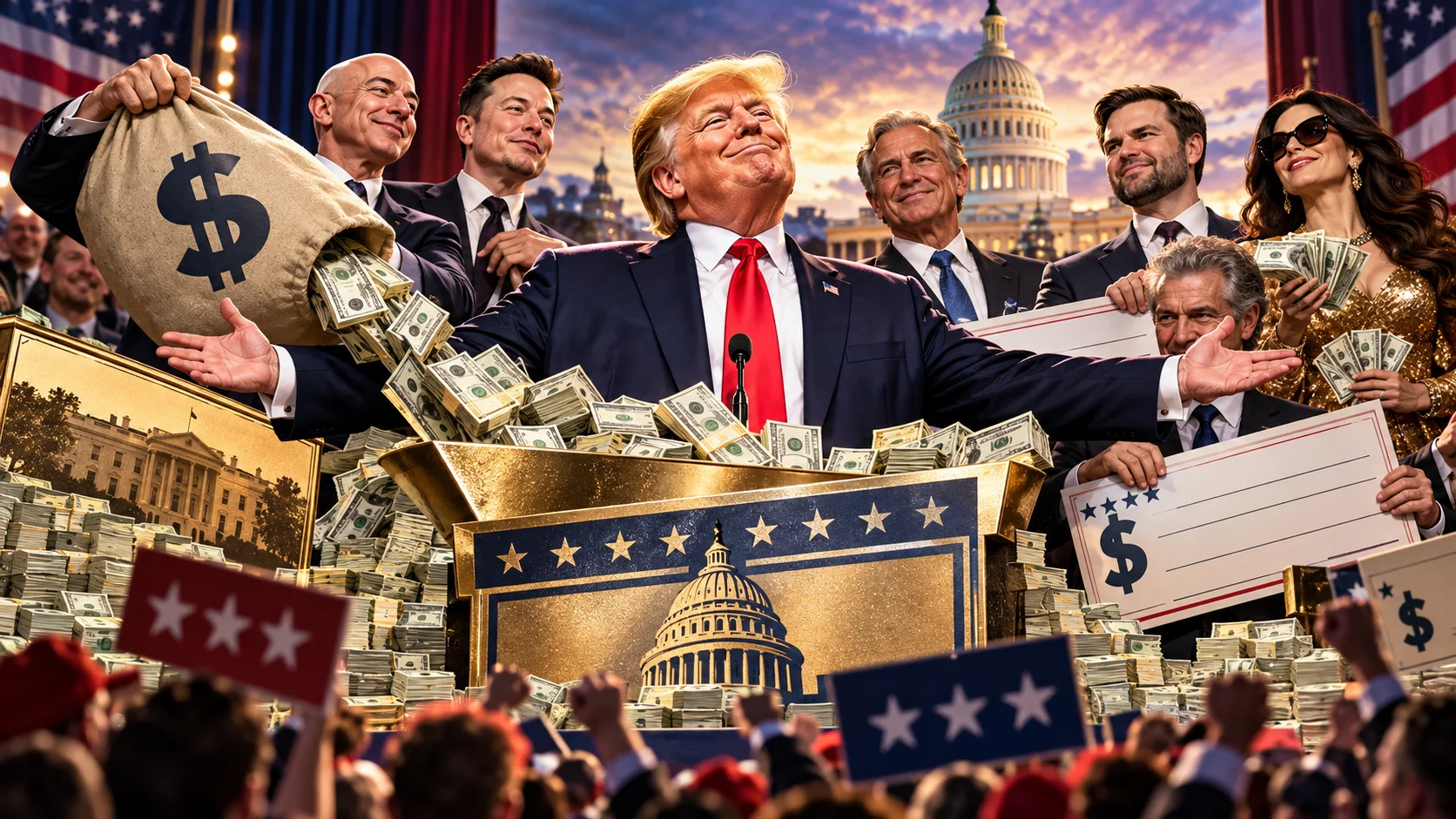
According to an October 2026 Associated Press report, Musk had contributed more than $276 million to Republican political efforts since July, making him the largest known donor of the 2026 midterm election cycle at that time.
This follows enormous spending in the 2024 presidential election, when his America PAC spent $261.2 million, with more than half supporting Donald Trump’s election.
Political contributions are not automatically illegal vote-buying. Much of this spending supports advertisements, election organizing, and political advocacy. But the immense financial influence raises an uncomfortable question:
Should any single billionaire have this much power to shape the political future of millions of citizens?
Apparently, democracy has developed a premium subscription tier.
Government Contracts and the Billionaire Inside Government
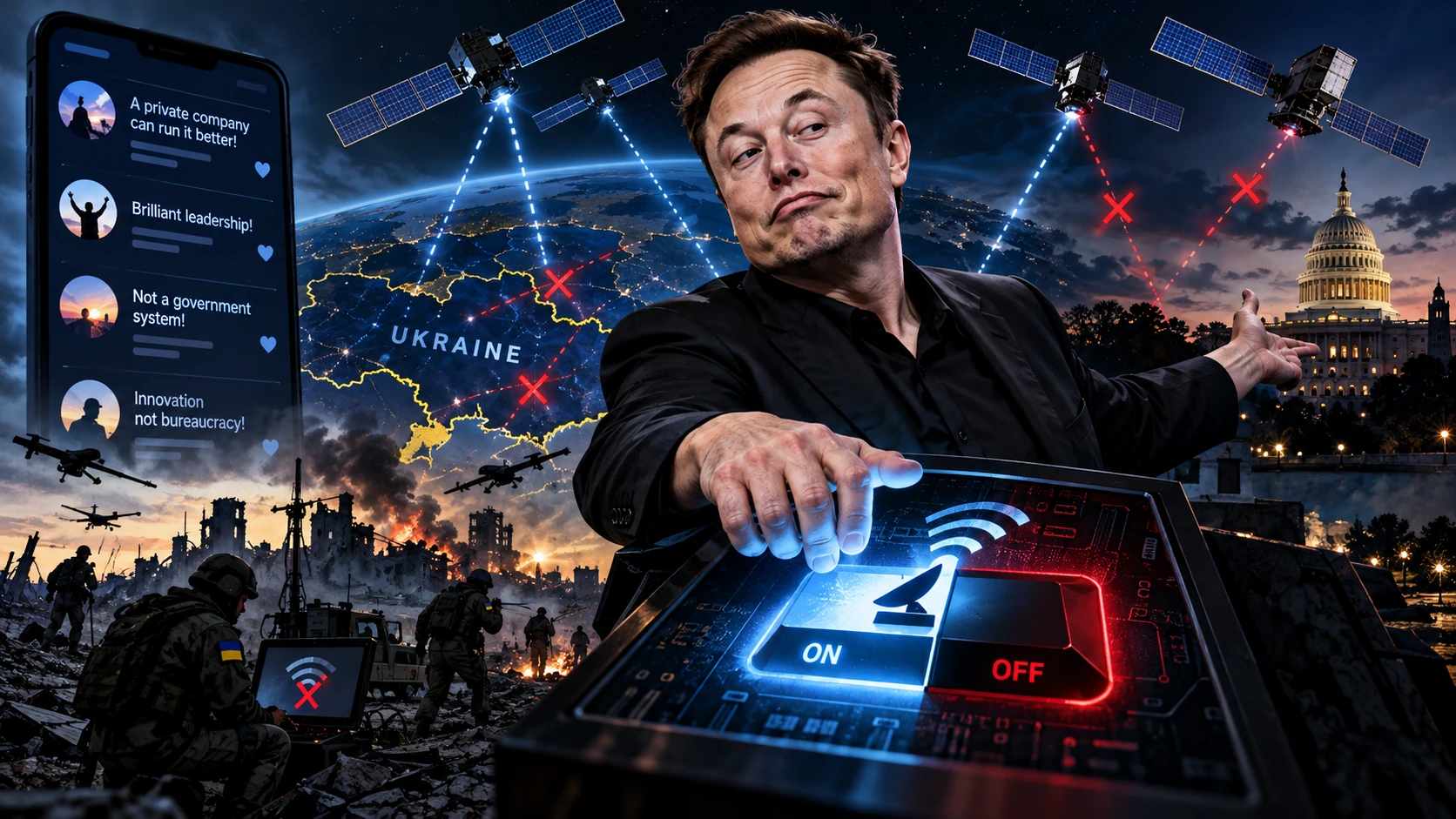
Musk’s companies also have substantial business relationships with the federal government, particularly through SpaceX’s NASA and military contracts.
In May 2025, Democratic lawmakers formally questioned potential conflicts of interest involving Musk’s government role and his companies’ federal business. Those concerns did not, by themselves, establish wrongdoing.
Meanwhile, Donald Trump’s administration has continued fighting disclosure of records connected to DOGE, the government initiative Musk initially led. Reuters reported on October 13, 2026, that the Supreme Court agreed to hear the disclosure dispute.
Government contracts are not inherently suspicious. SpaceX provides genuine technological capabilities, and public agencies can legitimately pay for them.
The issue is whether transparency and safeguards are sufficient when a major contractor also enjoys extraordinary political access.
Imagine What the Money Could Build
Imagine well-funded hospitals across underserved regions, reliable clean-water systems, solar-powered schools, bridges connecting isolated communities, and food programs protecting children from malnutrition.
These projects need accountable institutions, maintenance, skilled workers, and functioning governments. No billionaire can simply write one check and permanently eliminate poverty.
Nevertheless, the resources involved could make a substantial difference.
Musk has also funded scientific, educational, and charitable initiatives. Those contributions deserve acknowledgment. But philanthropy does not erase legitimate questions about political spending, concentrated wealth, or government influence.
The Question Isn’t Whether He Can. It’s What He Chooses.
Elon Musk has helped advance electric vehicles, satellite communications, and reusable rockets. Those achievements are real.
So is the enormous opportunity represented by his fortune.
In a world where humanitarian organizations struggle for funding while billionaires spend unprecedented amounts on political campaigns, the contrast is difficult to ignore.
A hungry child cannot eat a campaign advertisement. A collapsing bridge cannot be repaired with a political endorsement. And an uneducated generation cannot build its future from another billionaire’s expanding stock portfolio.
The world doesn’t lack ambitious projects.
It lacks sufficient commitment to funding many of the projects that would improve ordinary people’s lives.