Elon Musk’s Twitter: From Free Speech to Fake News and Hate
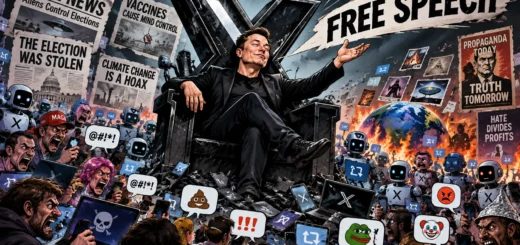
Elon Musk Bought Twitter to Save Free Speech. Instead, He Built a Playground for Bullies, Propaganda, and Fake News.
When Elon Musk purchased Twitter for $44 billion in October 2022, he presented himself as the heroic defender of free speech. The billionaire was supposedly rescuing humanity from censorship, political bias, and the terrifying possibility that someone might be held accountable for spreading complete nonsense.
Four years later, Twitter, now renamed X, has become the center of a rather spectacular irony: a platform promising open debate while facing persistent criticism over harassment, misinformation, and political manipulation.
Apparently, freedom of speech needed a billionaire landlord.
Free Speech or Freedom to Harass?
Musk’s argument was simple: fewer restrictions would create a healthier public conversation.
The evidence has been considerably less cooperative.
A peer-reviewed study published in PLOS One in February 2025 found that weekly hate-speech rates increased approximately 50% following Musk’s takeover, remaining elevated through at least May 2023. Engagement with hateful posts also increased.
The researchers cautioned that the increase could not be directly attributed to a specific X policy. Nevertheless, the findings hardly resemble the digital paradise Musk promised.
For people targeted by racism, homophobia, and harassment, freedom of expression can become a rather one-sided arrangement when intimidation drowns out their voices.
From Social Network to Political Megaphone
Twitter was once a place where journalists, politicians, scientists, and ordinary citizens exchanged information, argued, and occasionally complained about airline customer service.
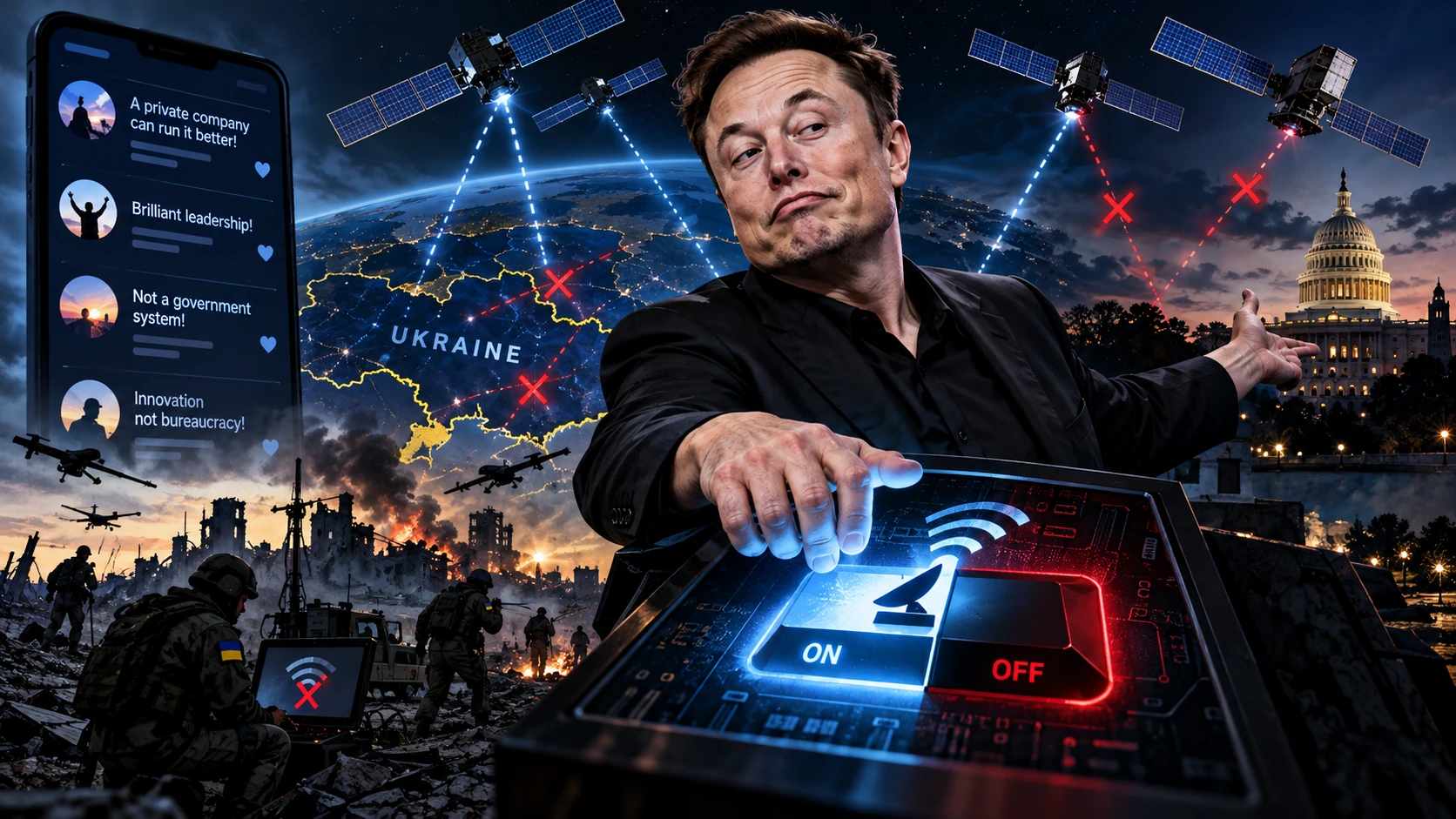
Under Musk, X has also become an increasingly important instrument of his personal political influence.
Musk has used his enormous following to promote political positions and amplify favored narratives. The return of previously suspended controversial accounts, including Donald Trump’s, further changed the platform’s political environment.
Trump, himself repeatedly criticized for false and misleading political claims, found a renewed home on a platform whose owner frequently presents moderation as censorship.
There is nothing inherently wrong with a billionaire expressing political opinions. The question is what happens when that billionaire also owns the infrastructure through which millions of people encounter those opinions.
When one person can influence both the message and the machinery distributing it, the boundary between public conversation and private power becomes uncomfortable.
Fake News, Now With a Premium Subscription
Remember when Twitter’s blue verification badge was intended to help establish an account’s authenticity?
Under Musk, the badge became available through paid subscriptions, fundamentally changing what verification communicated.
In December 2025, the European Commission fined X €120 million for violations of transparency obligations under the Digital Services Act, including deceptive blue-checkmark design, inadequate advertising transparency, and restrictions on researchers’ access to public data.
When credibility becomes something that can be purchased, misinformation gains another useful costume.
Meanwhile, the same 2025 study that documented increased hate speech found no reduction in activity from inauthentic accounts after Musk’s acquisition.
For a man who promised to fight spam bots, that is an awkward result.
Criticize the Platform? Prepare for a Fight.
Perhaps the most revealing episode involved the Center for Countering Digital Hate, an organization that published critical research about X.
Musk’s company sued the organization.
In March 2024, a federal judge dismissed the lawsuit, concluding that its primary purpose was to punish the watchdog for its criticism.
A self-proclaimed champion of free expression taking legal action against critics of his own platform is quite a remarkable interpretation of the concept.
The Real Problem Isn’t Free Speech. It’s Accountability.
X maintains that its moderation system protects freedom of expression while restricting harmful content, using measures including reduced visibility, removals, and account suspensions.
And freedom of speech absolutely matters. People should be able to challenge governments, criticize powerful individuals, and express unpopular opinions.
But free speech does not require algorithms to reward abuse, systems that obscure credibility, or platforms that resist independent scrutiny.
The issue is not whether Musk should be allowed to express his opinions. Of course he should.
The issue is whether a platform presenting itself as humanity’s digital town square should operate with sufficient transparency and accountability to earn that description.
Elon Musk promised to liberate Twitter. Instead, his ownership has provided an expensive demonstration of what happens when freedom of expression, commercial incentives, and concentrated private power collide.
And the bill is being paid in public trust.