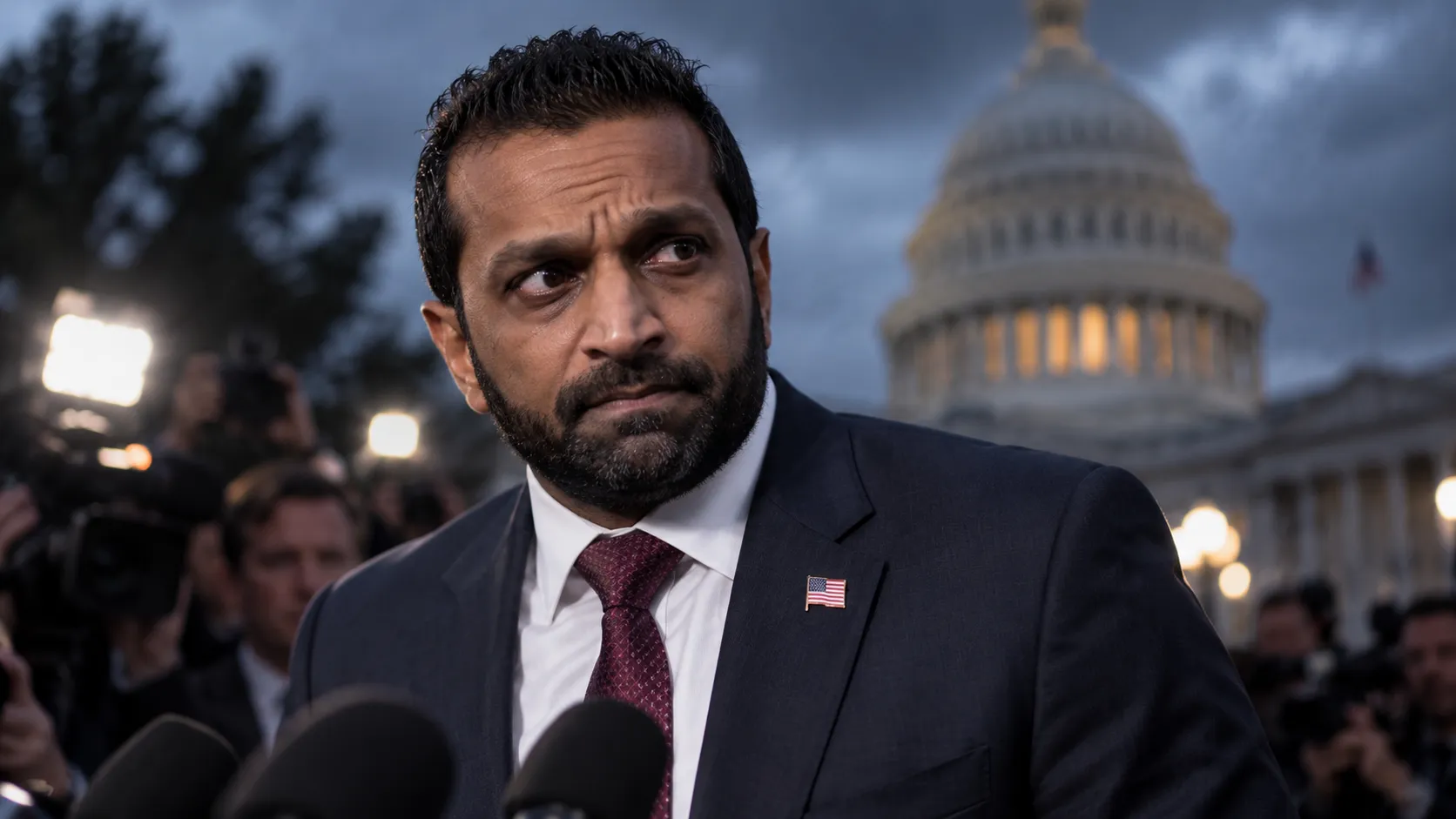
Kash Patel and the 2026 Midterms: Could Democrats Investigate the FBI Director?
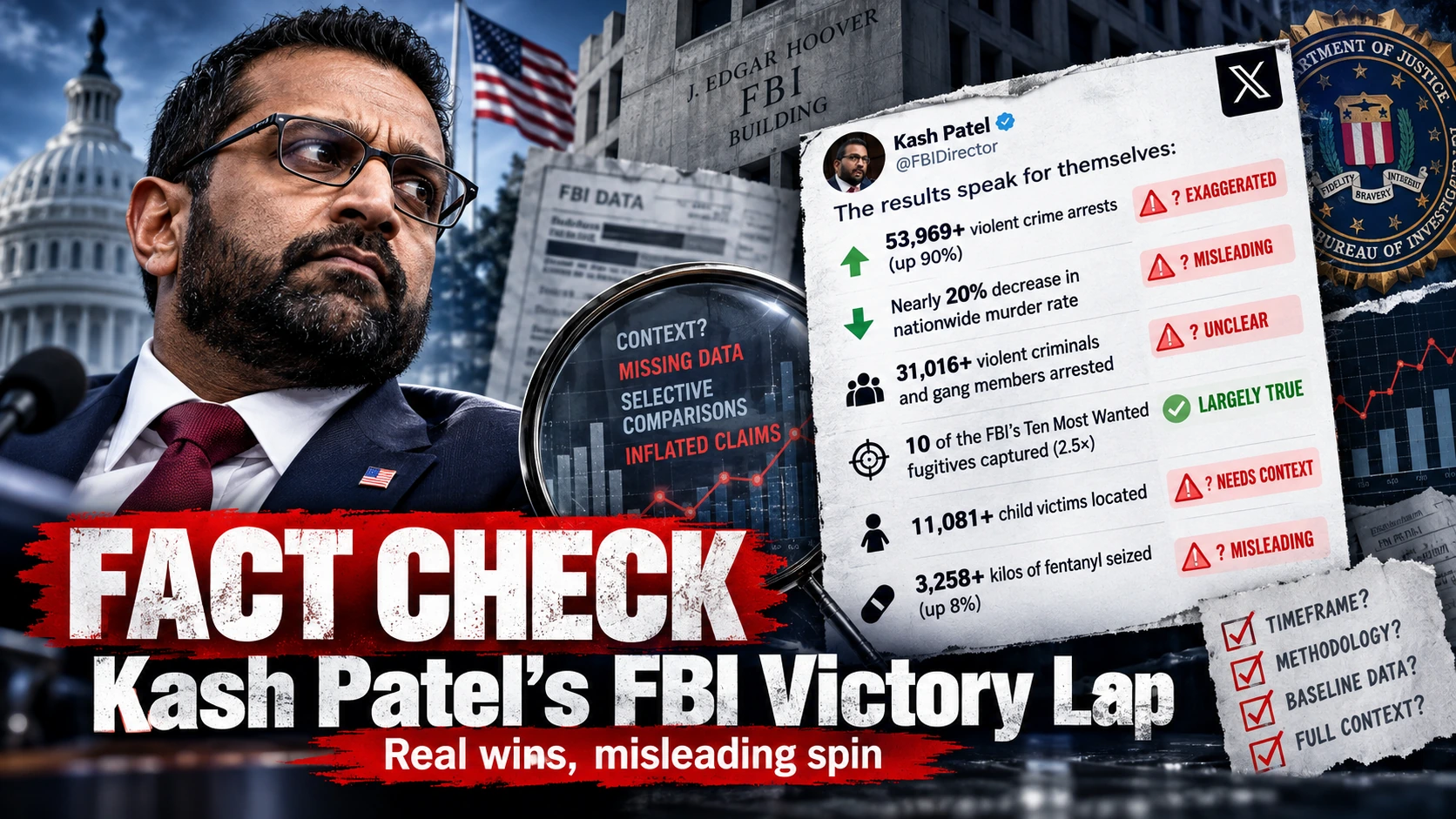
A Democratic takeover of Congress could expose FBI Director Kash Patel to investigations, compulsory document requests, and sustained public questioning over his leadership of the bureau.
And unlike a heated television interview, a congressional subpoena is rather difficult to dismiss by changing the subject.
1. The FBI firings could come under investigation
On September 15, Democratic Senator Adam Schiff warned Patel that a future Congress would investigate the termination of FBI agents who had worked on investigations involving Donald Trump.
Schiff also explicitly warned that personnel files, emails, text messages, and other records must be preserved.
Patel responded that the FBI preserves records.
A Democratic-controlled committee could seek testimony and internal records to establish whether the dismissals were legitimate personnel decisions or politically motivated retaliation.
2. Questions about taxpayer-funded travel
Patel has faced scrutiny over his use of government aircraft, including travel connected to the 2026 Winter Olympics.
Lawmakers have questioned whether public resources were used appropriately. The FBI maintains that its director must use government aircraft for security reasons and has defended the Italy trip as work-related.
Democratic investigators could demand flight logs, travel authorizations, expense records, and reimbursement information.
That would move the controversy from competing public statements to documentary evidence.
3. The Epstein files could return to center stage
Democratic lawmakers have accused Patel and the Trump administration of failing to provide adequate transparency about Epstein-related material.
Patel has disputed accusations surrounding his management of the FBI.
A Democratic majority could investigate disclosure decisions, communications with Justice Department officials, and whether relevant records were improperly withheld.
An investigation, however, would not itself establish wrongdoing.
4. Election-related FBI activity could face scrutiny
During September’s Senate hearing, Patel faced questioning about whether FBI agents might be deployed to polling places.
His responses prompted concerns among Democrats about possible federal interference in elections. Patel described the FBI’s existing election-crime coordination responsibilities.
A Democratic majority could investigate whether any election-related FBI activities remained within lawful boundaries.
5. Could Democrats remove Kash Patel?
Not simply by winning Congress.
Patel’s FBI directorship carries a statutory ten-year term, but that does not make him immune from presidential removal.
Congress could conduct investigations, issue subpoenas through authorized committees, and potentially pursue impeachment proceedings. Removing an impeached federal officer would require a two-thirds Senate vote.
A Democratic House alone would have significant oversight authority but could not simply vote Patel out of office.
The November 3 election changes the equation
The distinction is straightforward: under Republican control, Democratic lawmakers have limited powers to compel evidence independently. With control of committees, Democrats would acquire much stronger investigative tools.
Patel would still have legal rights, and executive-branch privilege disputes could complicate demands for documents.
The central question would be whether investigators uncovered evidence of misconduct, rather than merely disagreements over FBI policy.
The political consequences could be substantial even without criminal charges or removal from office. Public hearings, sworn testimony, and released documents can impose accountability of their own.
And for an FBI director whose job involves investigating other people, finding himself on the receiving end of an extensive congressional investigation would be quite the reversal.