Should JD Vance Fear a Democratic Midterm Victory in 2026?
Vice President JD Vance could face a dramatically different political environment if Democrats gain control of Congress in the November 3 midterm elections. The consequences would extend beyond President Donald Trump and could affect Vance’s influence, public scrutiny, and possible presidential ambitions.
1. Congressional Investigations Could Get Uncomfortable
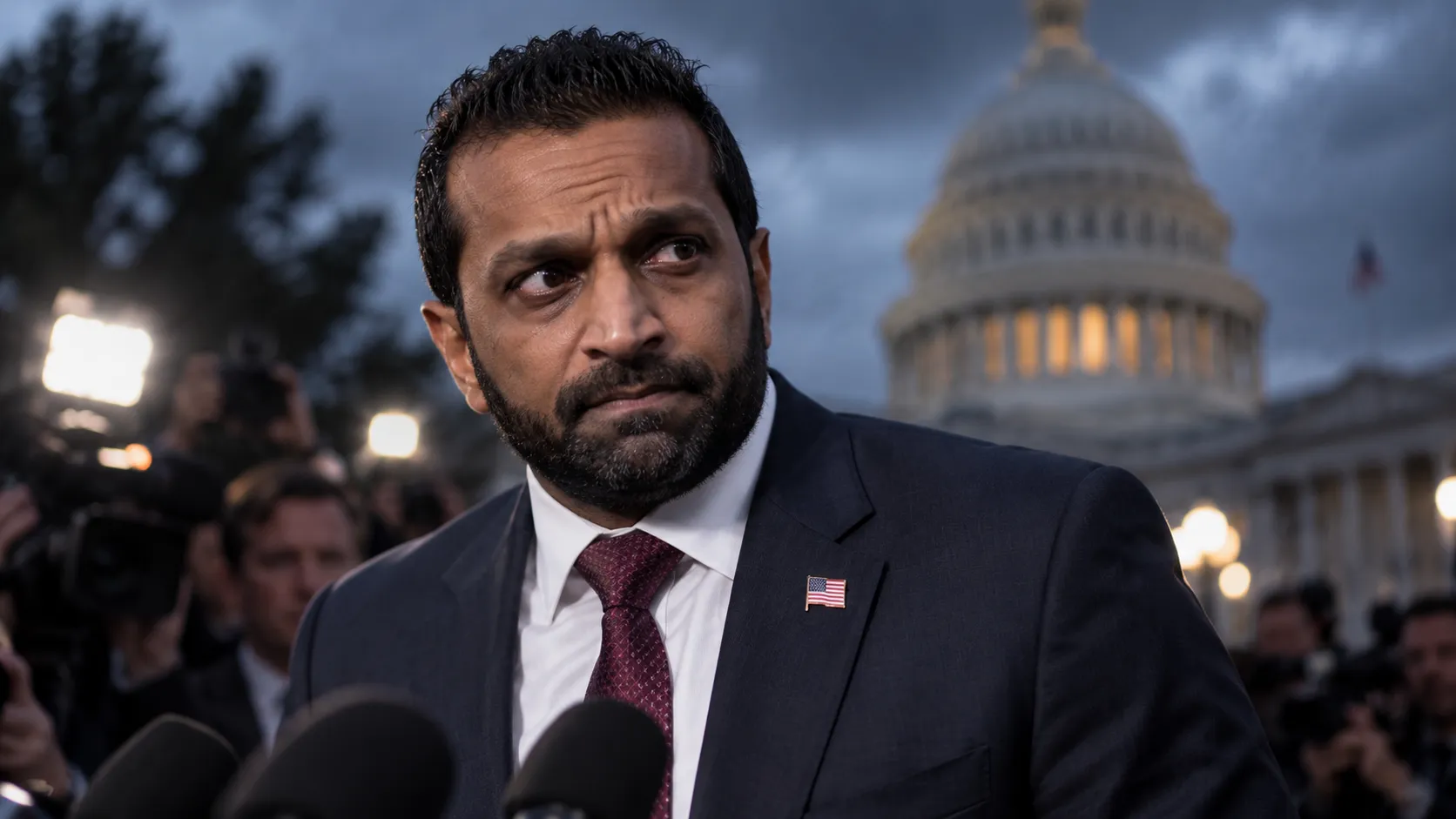
A Democratic-controlled House could launch investigations into the Trump administration, demand documents, summon witnesses, and issue subpoenas.
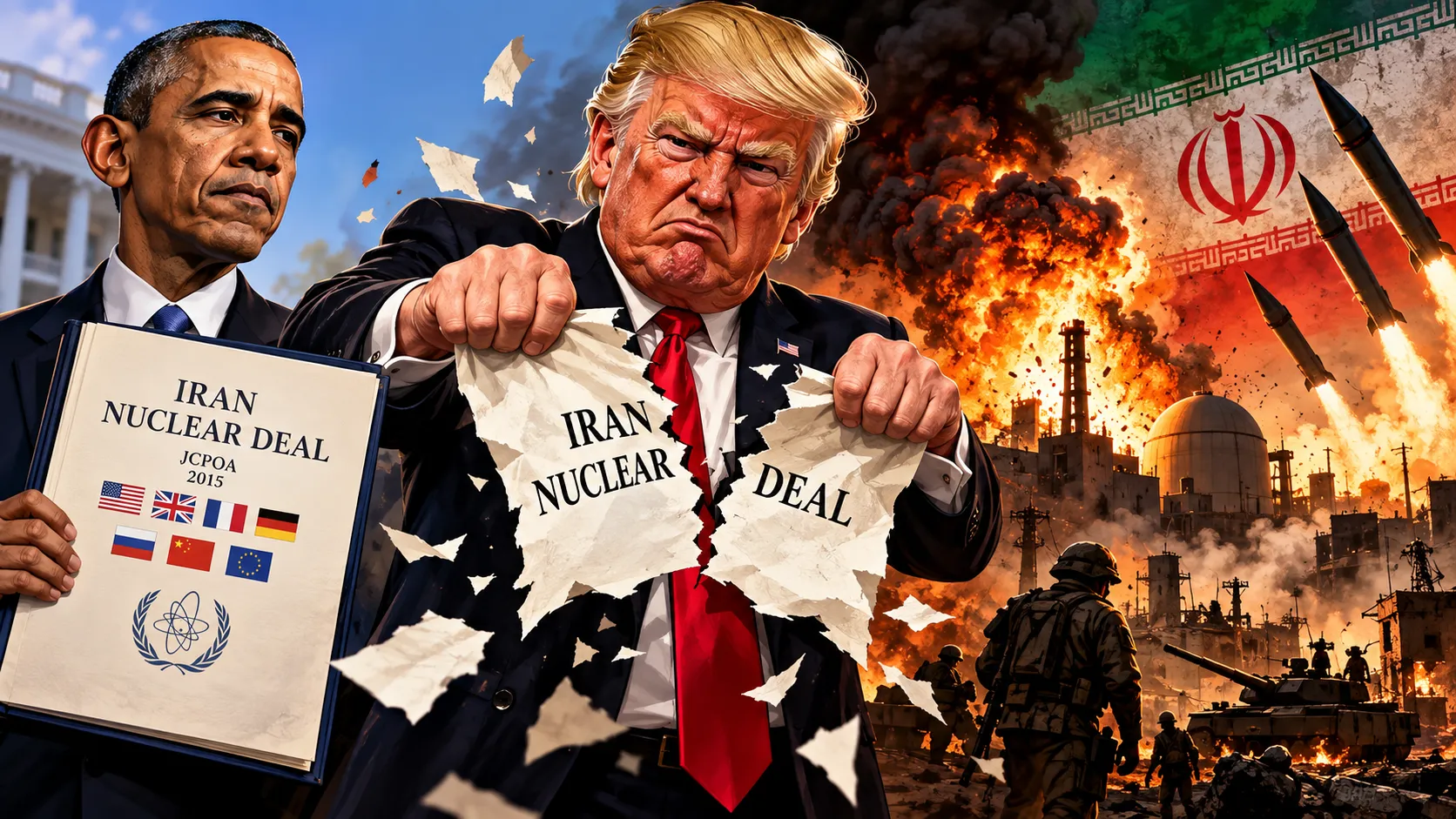
Potential subjects include immigration enforcement, federal spending, business relationships involving the Trump family, and administration decisions concerning the war with Iran.
According to Reuters, law firms are already preparing for a possible wave of congressional investigations if Democrats win control of at least one chamber.
For Vance, that raises an uncomfortable prospect: defending controversial administration decisions under oath, rather than in friendly interviews.
Interestingly, during an October 17 CBS town hall, Vance promised to comply with lawful congressional subpoenas.
He also described selling White House access as “disgusting and despicable,” while maintaining that he had seen no evidence of corruption within the administration.
Those statements could receive renewed attention during congressional hearings.
2. His Senate Power Could Shrink
One of Vance’s most important constitutional powers is casting tie-breaking votes in the Senate.
According to official Senate records, Vance has already cast eight such votes, including votes connected to major legislation and Pete Hegseth’s confirmation.
If Democrats gain a Senate majority, Vance would retain his constitutional position but would have fewer opportunities to determine outcomes through tie-breaking votes.
A 50–50 Senate, however, would still give him considerable influence.
3. Trump’s Political Baggage Could Become Vance’s Problem
Vance serves as a leading public defender of Trump’s administration.
At his recent Michigan town hall, he faced questions about the Iran war, rising gasoline prices, immigration enforcement, and potential corruption.
These controversies could become central topics in Democratic congressional hearings.
The political complication is straightforward: Vance may have to defend decisions he did not personally make while attempting to establish an independent political identity.
Trump’s familiar approach of attacking critics and dismissing unfavorable coverage cannot prevent Congress from exercising its lawful oversight powers.
4. His 2028 Political Future Could Be Affected
Vance is frequently discussed in connection with the 2028 presidential election, although he recently indicated that he might not run.
A Democratic congressional majority would create competing political effects.
It could give Vance opportunities to present himself as a prominent defender of Republican policies against Democratic opposition.
Conversely, prolonged investigations and continued controversies could make it harder for him to separate his personal political identity from Trump’s record.
Neither outcome is inevitable.
5. Could Democrats Remove Him From Office?
A Democratic victory would not automatically remove Vance or shorten his vice-presidential term.
The House can impeach federal civil officers, including the vice president, but conviction and removal require a two-thirds majority in the Senate. Winning ordinary majorities would not be sufficient.
Furthermore, congressional investigations are not themselves proof of wrongdoing.
The more immediate consequences would involve oversight, political pressure, and legislative obstruction rather than removal from office.
The Bottom Line
A Democratic victory could substantially increase the scrutiny facing Vance, particularly if Democrats control both congressional chambers.
The greatest political question concerns his relationship with Trump. Vance must balance loyalty to an administration he represents with his own potential future beyond it.
For a vice president considering a possible run for the White House, congressional hearings, contested policies, and an increasingly difficult legislative environment could become important factors in shaping his political reputation.
And unlike a carefully staged campaign appearance, a congressional investigation doesn’t necessarily end when the questions become inconvenient.